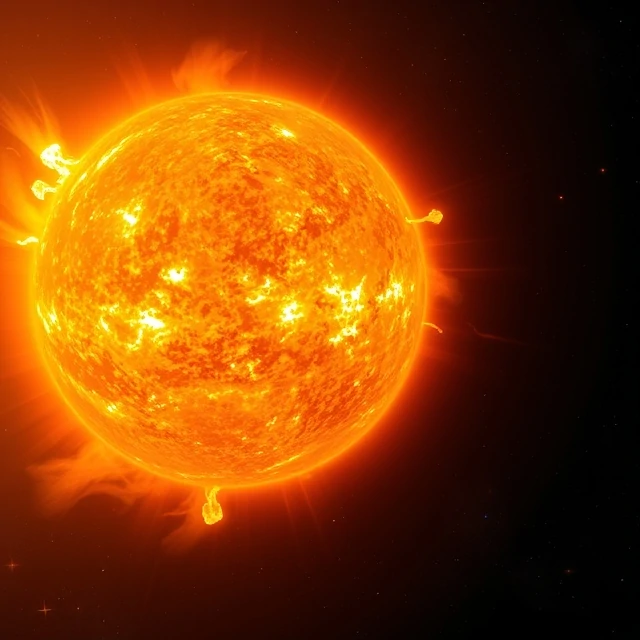
Nuclear fusion powers the Sun. Light nuclei merge to form heavier ones, releasing energy in the process. Hydrogen atoms fuse into helium, and the missing mass becomes energy. The reaction requires extreme heat and pressure, conditions found naturally in stellar cores.
On Earth, scientists have been chasing fusion for decades. The most promising approach uses magnetic confinement. A tokamak traps plasma in a doughnut-shaped magnetic field and heats it to over 100 million degrees Celsius. In 2022, the National Ignition Facility achieved net energy gain for the first time using lasers, though only briefly and at enormous cost.
Fusion has advantages. The fuel is abundant, derived from water and lithium. It produces no long-lived radioactive waste. It cannot melt down. The challenges are immense. Sustaining the reaction, containing the plasma, and building a commercial plant remain unsolved. Fusion is always 30 years away, the joke goes. It may finally be getting closer.
Key approaches
- Magnetic confinement (tokamaks)
- Inertial confinement (lasers)
- Stellarators
- Private fusion ventures
- Fuel: deuterium and tritium
Comments
No comments yet. Be the first to share a thought.
Leave a comment