A fuel cell converts chemical energy into electricity through an electrochemical reaction. Hydrogen enters one side. Oxygen enters the other. A catalyst splits the hydrogen into protons and electrons. The protons pass through a membrane. The electrons are forced through an external circuit, producing current. Water and heat are the only byproducts when hydrogen is the fuel.
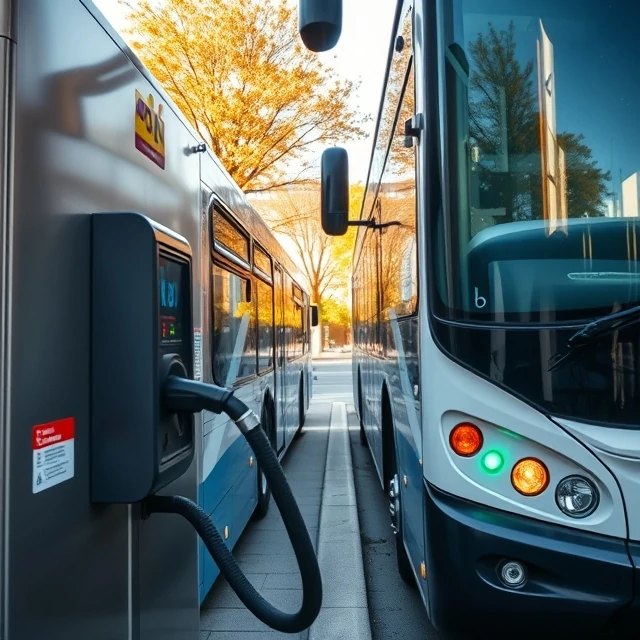
Fuel cells differ from batteries. A battery stores energy internally. A fuel cell generates electricity as long as fuel is supplied. That makes it suitable for continuous operation. Fuel cells also run quietly and efficiently, with no combustion. Applications include buses, forklifts, backup power, and spacecraft.
Adoption has been slow. Hydrogen is expensive to produce, store, and distribute. Platinum catalysts add cost. Durability has improved but remains a concern. Despite these hurdles, fuel cells fill niches where batteries struggle: long range, fast refueling, and heavy loads. Trucks and ships are promising markets.
Common types
- Proton exchange membrane
- Solid oxide
- Phosphoric acid
- Molten carbonate
- Alkaline
Comments
No comments yet. Be the first to share a thought.
Leave a comment