Pull a keystone out of an arch and the whole structure falls. The same logic applies in ecology. A keystone species has a disproportionately large effect on its ecosystem relative to its abundance. Robert Paine coined the term in 1969 after studying starfish on the Pacific coast. When he removed the predatory starfish Pisaster from experimental plots, mussels took over the rock, crowding out barnacles, algae, and other species. The starfish was not the most numerous organism. It was the one holding the system together.
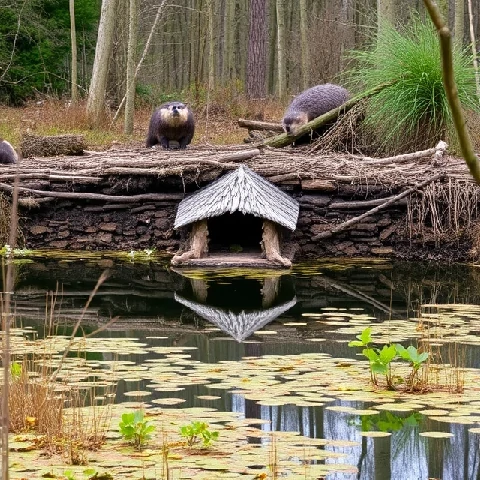
Keystone species come in different forms. Predators regulate herbivore populations, which protects vegetation. Wolves in Yellowstone changed elk behavior and allowed willow and aspen to recover. Ecosystem engineers, like beavers and prairie dogs, physically modify the landscape and create habitat for others. Mutualists, like fig trees that feed dozens of animal species, play a different keystone role. Remove them and the effects cascade through the food web.
Examples
- Sea otters: control sea urchins, protecting kelp forests.
- Wolves: regulate elk and deer populations.
- Beavers: build wetlands that support many species.
- Fig trees: provide fruit for animals year-round.
Keystone species are not always the most charismatic or the most abundant. Sometimes the quietest organism is the one everything else depends on.
Comments
No comments yet. Be the first to share a thought.
Leave a comment