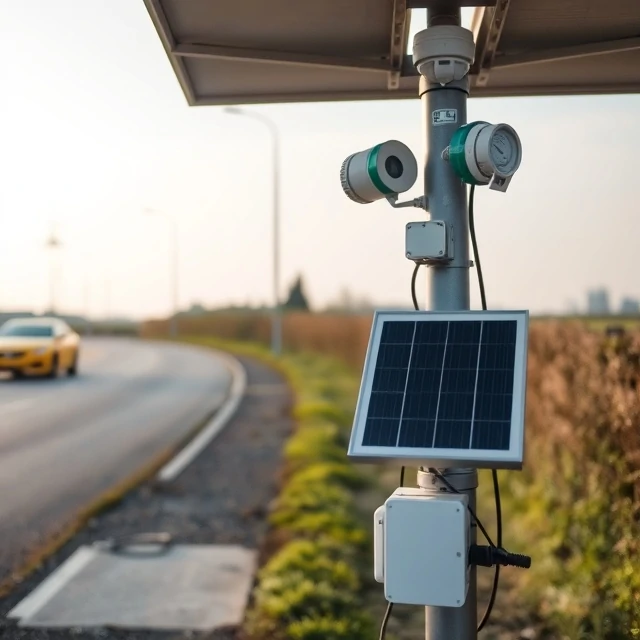
Air quality measures how clean or polluted the air is in a given area. It is usually expressed through the concentration of specific pollutants: particulate matter, ozone, nitrogen dioxide, sulfur dioxide, and carbon monoxide. Particulate matter, especially the fine particles known as PM2.5, poses the greatest health risk because they penetrate deep into the lungs and bloodstream. The World Health Organization estimates that outdoor air pollution contributes to millions of premature deaths each year.
Air quality varies by location and time. Cities with heavy traffic, industrial activity, and coal heating tend to have worse air. Weather matters too. Temperature inversions trap pollutants near the ground, causing smog episodes. Monitoring stations track pollutant levels and publish indices that translate complex data into simple categories, from good to hazardous. These indices help people decide whether to exercise outdoors, wear a mask, or keep windows closed.
Main pollutants of concern
- PM2.5 and PM10: fine and coarse particles.
- Ground-level ozone: formed by sunlight and vehicle emissions.
- Nitrogen dioxide: largely from traffic and industry.
- Sulfur dioxide: from burning fossil fuels.
Air quality is not just an outdoor issue. Indoor air can be worse, especially in homes using solid fuels for cooking. Ventilation and cleaner stoves make a measurable difference.
Comments (3)
Leave a comment