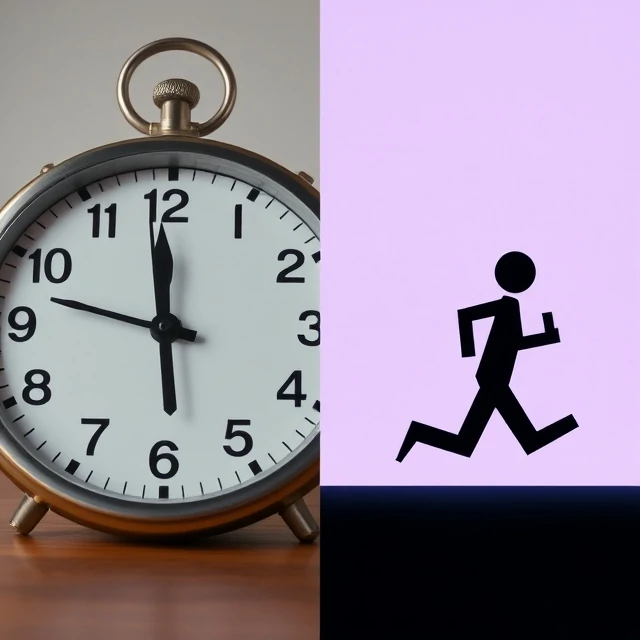
Two scenes happen at the same time. A bomb ticks in one room. A detective runs down a hallway in another. The film cuts back and forth between them. That is cross-cutting, also called parallel editing. It alternates between two or more scenes happening simultaneously. It creates tension, draws connections, and builds momentum. It is one of the oldest and most effective editing techniques.
Cross-cutting was pioneered by D.W. Griffith in the early 20th century. In The Birth of a Nation, he cut between a family trapped in a cabin and the Ku Klux Klan riding to their rescue. The technique has been used ever since. In The Silence of the Lambs, cross-cutting between Clarice and Buffalo Bill builds unbearable tension. In Inception, cross-cutting between multiple dream levels creates a complex, layered climax. In The Godfather, cross-cutting between a baptism and a series of murders creates one of the most famous sequences in film history.
Cross-cutting is not just about simultaneity. It is about meaning. The juxtaposition of two scenes can create a comparison, a contrast, or an irony. A scene of wealth can be cut against a scene of poverty. A scene of violence can be cut against a scene of peace. The edit creates a relationship that neither scene has on its own.
Comments
No comments yet. Be the first to share a thought.
Leave a comment