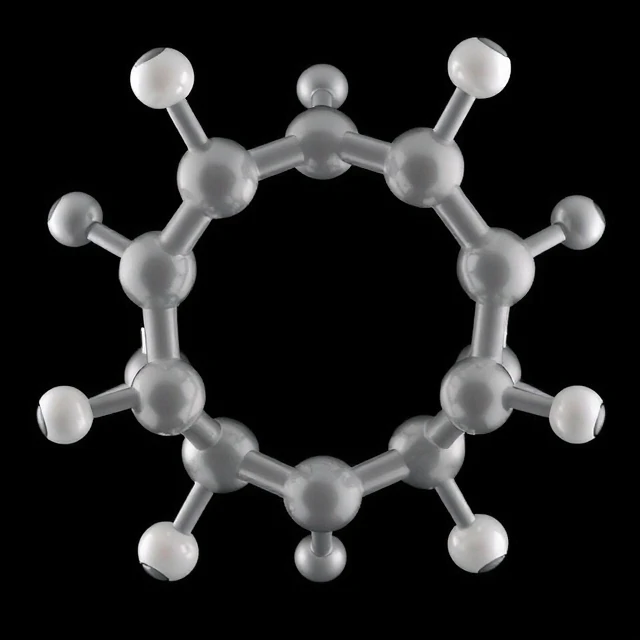
Natural gas, gasoline, plastics, and asphalt all come from hydrocarbons. They are organic compounds made only of carbon and hydrogen. They form the backbone of the petrochemical industry. They are also the simplest organic compounds, which makes them ideal for teaching the principles of organic chemistry.
Hydrocarbons are classified by the type of bonds between carbon atoms. Alkanes have only single bonds. They are saturated, meaning they hold as many hydrogens as possible. Alkenes have at least one double bond. Alkynes have at least one triple bond. Aromatic hydrocarbons, like benzene, have delocalized electrons in a ring. Each class has different reactivity and properties.
Hydrocarbons are found in fossil fuels, which formed from ancient organic matter over millions of years. They are also found in living organisms. Plant waxes, insect pheromones, and natural rubber are hydrocarbons or hydrocarbon derivatives. The term hydrocarbon is broad, covering small gases like methane and large polymers like polyethylene.
Burning hydrocarbons releases carbon dioxide and water. That is why they are fuels. It is also why they contribute to climate change. The carbon that was buried underground for millions of years is released into the atmosphere in a few centuries. The chemistry is simple. The consequences are not.
Comments
No comments yet. Be the first to share a thought.
Leave a comment