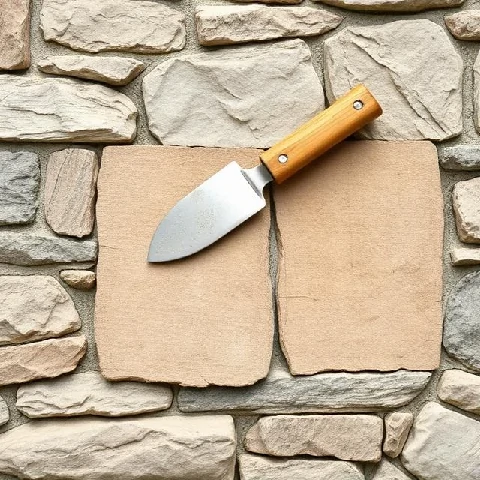
Masonry is construction using individual units — bricks, stones, concrete blocks — bonded together with mortar. It is one of the oldest building methods and still one of the most durable. A well-built masonry wall can stand for centuries with minimal maintenance.
The units are stacked in patterns called bonds. A running bond offsets each course by half a unit, which distributes loads and prevents continuous vertical joints. Other bonds, like English or Flemish, create different visual textures and structural behaviors. The mortar holds the units together, accommodates slight movements, and seals gaps.
Masonry is strong in compression but weak in tension. That is why masonry walls are thick and often buttressed or reinforced. Modern masonry walls may include steel reinforcement, grout, and ties to a structural frame. Unreinforced masonry is vulnerable in earthquakes, and many older buildings require seismic retrofits.
Masonry also has thermal mass. It absorbs heat during the day and releases it at night, which can smooth temperature swings. In the right climate, that is an advantage. In the wrong one, it can be a liability.
Comments
No comments yet. Be the first to share a thought.
Leave a comment