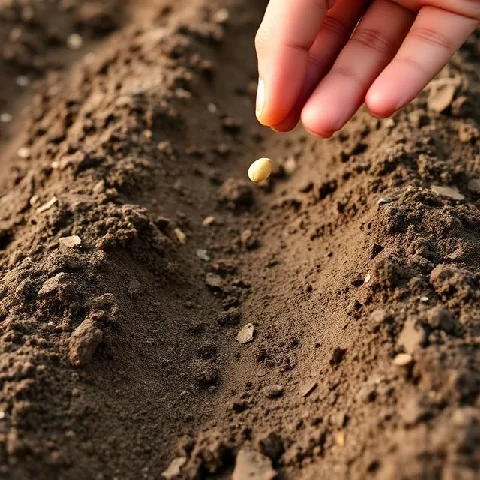
A furrow is a narrow trench cut into the soil. Farmers have been making them since the first scratch ploughs turned earth, and they still serve three main purposes: planting, watering, and draining.
When you drop a seed into a furrow and cover it, you give it a head start. The trench holds moisture, shelters the sprout from wind, and keeps it from being washed away. For irrigation, water runs down furrows between rows of crops, soaking in as it travels. For drainage, furrows channel excess water off wet ground.
Practical details
- Depth and spacing depend on crop and soil
- Contour furrows on slopes slow runoff and trap soil
- Uniform furrows help seeds germinate at the same time
- Ridge-and-furrow systems once drained whole fields in wet Europe
Furrow irrigation is cheap but wasteful compared with drip lines. Still, on level ground with plenty of water, it remains hard to beat for row crops like maize and cotton.
Comments
No comments yet. Be the first to share a thought.
Leave a comment