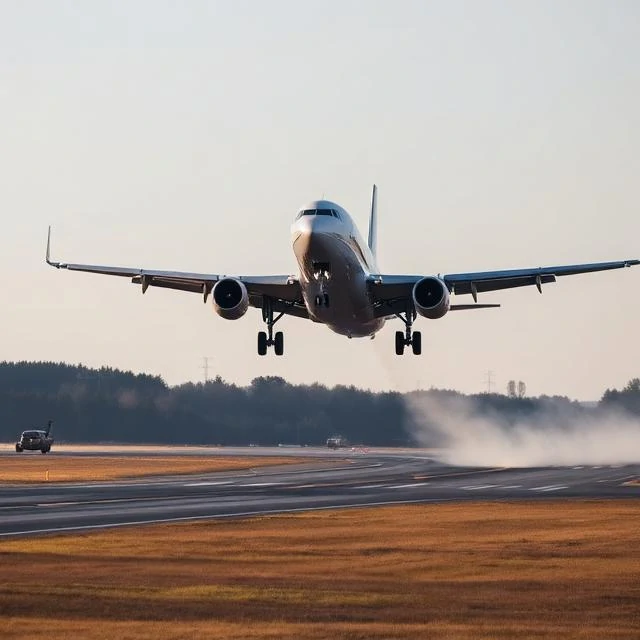
Aircraft need a long, flat, strong surface to accelerate and stop. The runway provides it, built from concrete or asphalt with markings that guide pilots during takeoff and landing.
Length depends on the aircraft and conditions. A small trainer needs a few hundred metres. A fully loaded widebody departing on a hot day may need over three kilometres. Altitude, temperature, and weight all stretch the required distance.
Key runway markings
- Centreline stripes for alignment
- Threshold markings at the landing end
- Touchdown zone markings for aiming
- Runway designators showing magnetic heading
Lighting matters at night and in low visibility. Approach lights extend well before the threshold, and edge lights outline the surface. Some runways also have embedded centreline lights for the worst conditions.
Comments
No comments yet. Be the first to share a thought.
Leave a comment