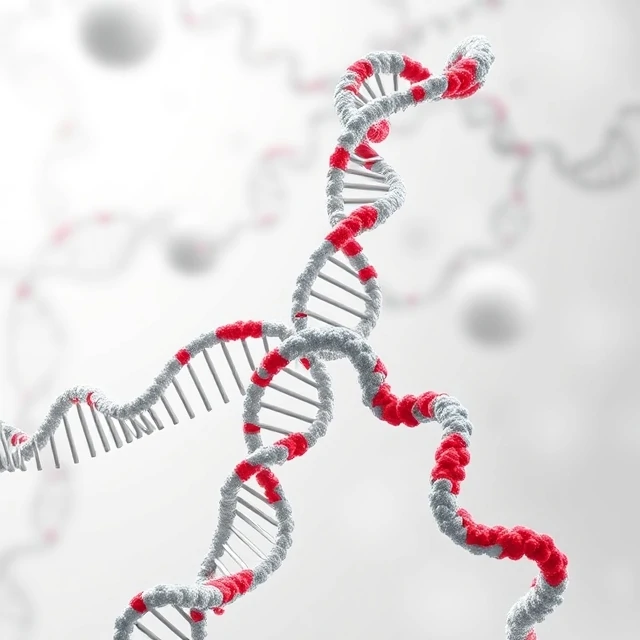
Bacteria have long used a molecular memory system to fight viruses. Scientists adapted that system into CRISPR, a gene-editing technology that makes precise cuts in DNA. The core components are a guide RNA that finds the target sequence and the Cas enzyme that cleaves the DNA.
Once the cut is made, cellular repair pathways can introduce changes—disrupting a gene, correcting a mutation, or inserting new DNA. The method is faster, cheaper, and more accessible than earlier editing tools. Researchers apply it in basic biology, agriculture, and experimental therapies.
Clinical trials explore CRISPR for treating sickle cell disease, certain cancers, and inherited blindness. Off-target cuts and delivery challenges remain active areas of research. Ethical discussions continue around germline editing. The technology continues to evolve with new Cas variants and higher-fidelity systems.
- Gene-editing system using guide RNA and Cas enzyme
- Creates precise double-strand breaks in DNA
- Enables gene knockout, correction, or insertion
- Widely used in research and emerging therapies
Comments
No comments yet. Be the first to share a thought.
Leave a comment