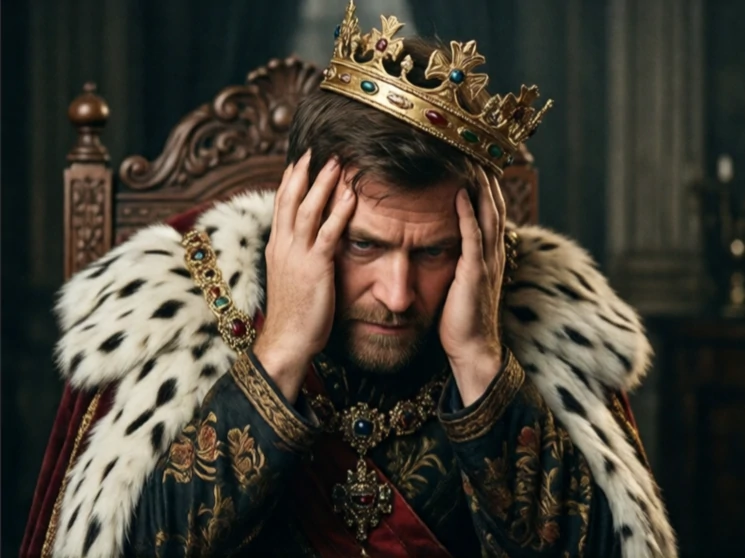
A tragic hero is a protagonist with a fatal flaw leading to their downfall. The term comes from Aristotle, who described the hero as someone of high status who suffers a reversal of fortune. The downfall is usually caused by hamartia—a fatal flaw or error in judgment.
Oedipus has hubris. Macbeth has ambition. Hamlet has indecision. The tragic hero is not simply a victim. They bear some responsibility for their fate. That is what makes their story tragic rather than sad. The audience feels pity and fear, according to Aristotle. Pity for the hero’s suffering. Fear that something similar could happen to us. The tragic hero often recognizes their error too late. That moment of recognition, called anagnorisis, is the emotional peak. In modern literature, the tragic hero has been democratized. Willy Loman in Death of a Salesman is a salesman, not a king. But his downfall still follows the ancient pattern.
Key elements
- High status or great potential
- Fatal flaw (hamartia)
- Reversal of fortune
- Recognition of error
- Pity and fear in audience
Comments
No comments yet. Be the first to share a thought.
Leave a comment