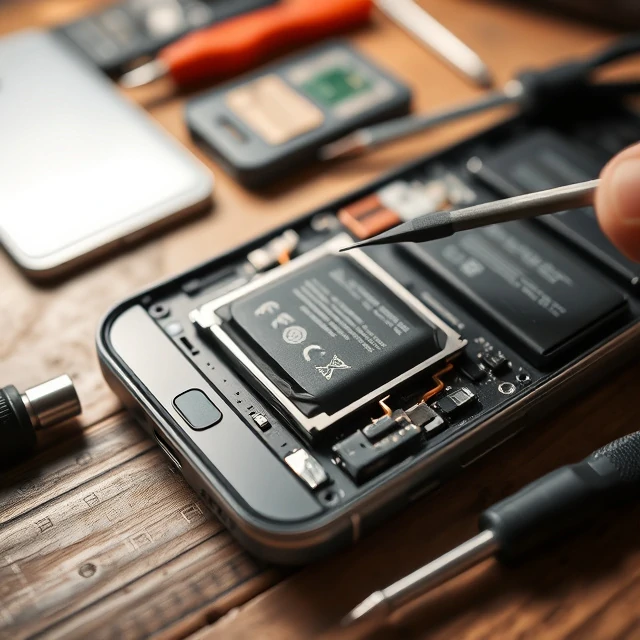
Lithium-ion batteries power phones, laptops, and electric cars. Lithium ions shuttle between two electrodes during charge and discharge. The chemistry varies: cobalt, nickel, manganese, iron phosphate. Each mix trades energy density, cost, safety, and lifespan. No single formula wins everywhere.
The advantages are clear. Lithium is the lightest metal, so the batteries pack more energy per kilogram than lead-acid or nickel-metal hydride. They have no memory effect. They hold charge well. They can handle hundreds to thousands of cycles before degrading.
The challenges are also real. Lithium-ion cells can catch fire if damaged or overcharged. They contain cobalt, often mined in difficult conditions. Recycling is improving but still limited. Prices have fallen sharply, from over $1,000 per kilowatt-hour in 2010 to under $150 in many markets. That drop made electric vehicles viable.
Common chemistries
- Lithium cobalt oxide
- Lithium nickel manganese cobalt
- Lithium iron phosphate
- Lithium manganese oxide
- Lithium nickel cobalt aluminum
Comments (2)
Leave a comment