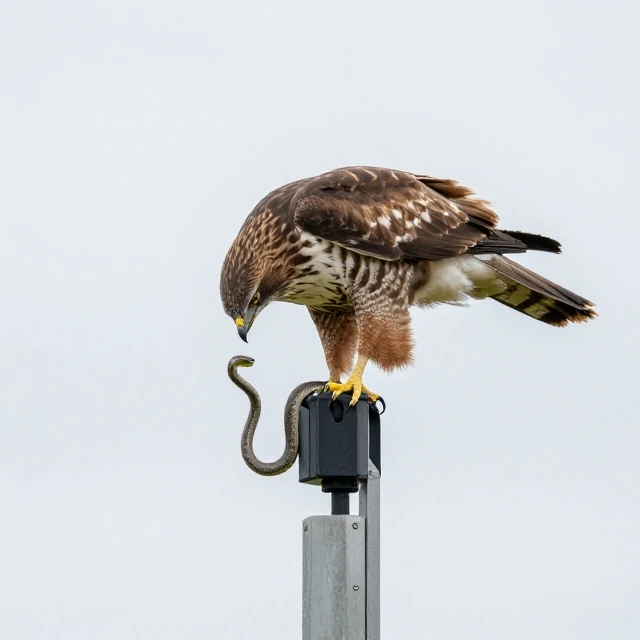
A tertiary consumer is at the top of a food chain. It eats secondary consumers. Secondary consumers eat primary consumers. Primary consumers eat producers. Tertiary consumers are often apex predators. They have no natural predators. A hawk eating a snake that ate a mouse that ate grass is a tertiary consumer.
Tertiary consumers are carnivores. They eat other carnivores. Some are omnivores. They eat whatever is available. A killer whale eats seals. A seal eats fish. A fish eats zooplankton. The killer whale is a tertiary consumer. It is at the top of the chain.
Tertiary consumer characteristics
- Fourth trophic level.
- Carnivores or omnivores.
- Eat secondary consumers.
- Often apex predators.
- Few in number due to energy loss.
Tertiary consumers are rare. Energy is lost at each trophic level. Only about 10 percent of energy transfers from one level to the next. It takes a lot of grass to feed a mouse. A lot of mice to feed a snake. A lot of snakes to feed a hawk. That is why there are fewer hawks than snakes. The pyramid narrows. Tertiary consumers are at the tip. They are vulnerable to extinction. They need large territories. They need stable prey populations. When the prey disappears, the predator follows. That is why apex predators are often the first to disappear when an ecosystem is disturbed. They are indicators of ecosystem health. A healthy ecosystem has tertiary consumers. An unhealthy one does not. Protecting them means protecting the entire food chain below them. They are the top of the pyramid. If they fall, the pyramid crumbles.
Comments
No comments yet. Be the first to share a thought.
Leave a comment