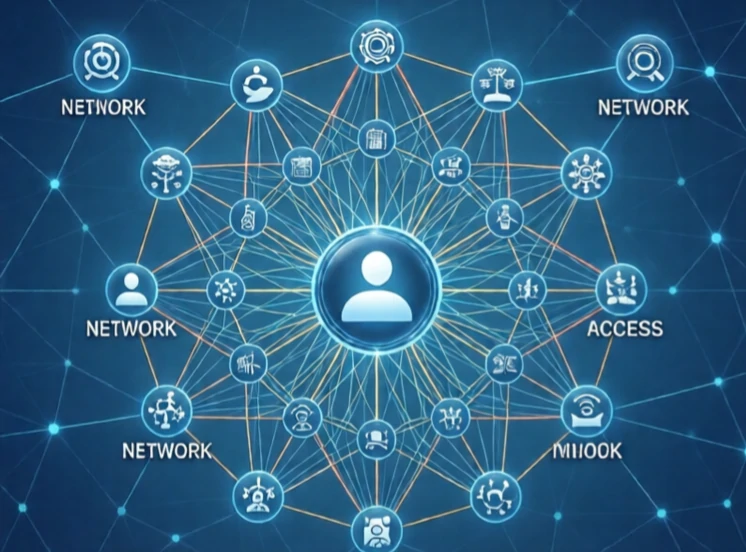
The core network is the central part of a telecom network managing calls and data. It connects access networks to each other and to external networks like the internet. It handles authentication, routing, billing, and mobility. It is the brain of the network. The access network is the arms. The core is the spine.
The core has evolved. The traditional telephone core used circuit switches. The mobile core added home location registers and visitor location registers. The modern core is packet-based. It uses IP. In 5G, the core is cloud-native, with network slicing and edge computing. Functions that were once hardware are now software.
Core network functions
- Authentication: verifies subscriber identity
- Routing: directs calls and data
- Mobility: tracks user location
- Billing: records usage
- Interconnection: links to other networks
The core is where policy is enforced. It decides who can use the network, what speed they get, and how much they pay. It is also where security is managed. A breach in the core can expose millions of subscribers. The core is not visible to users. But it is where the network lives.
Comments
No comments yet. Be the first to share a thought.
Leave a comment