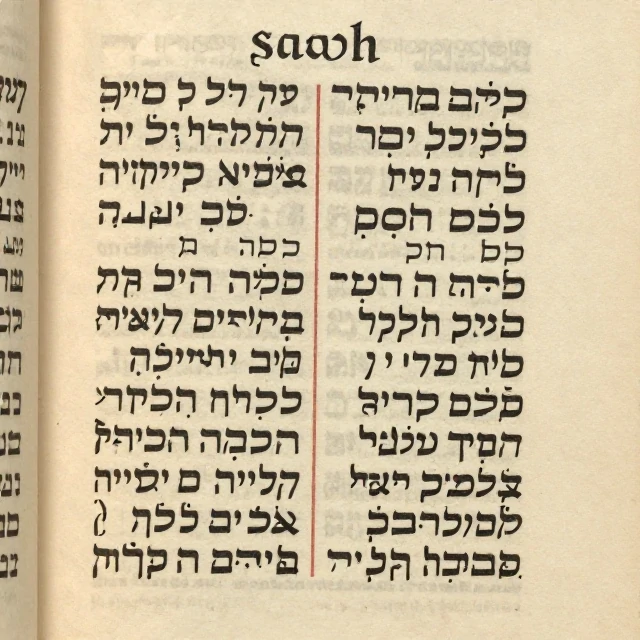
Selah is a Hebrew term found in the Psalms. It appears 74 times in the Hebrew Bible. Its meaning is uncertain. It likely indicates a pause for reflection or a musical interlude. It might be a cue for the musicians. It might be a cue for the congregation. It might be a moment of silence. The exact meaning is lost.
The word is not translated. It is transliterated. It is kept in the original Hebrew. That suggests it was a technical term. It was not meant to be understood by the reader. It was meant to be performed by the musician. Some scholars think it means forever. Others think it means lift up. Others think it means pause. The most common interpretation is pause. Stop and think about what you just read. Let it sink in.
Selah in the Psalms
- Psalm 3:4: I cry aloud to the Lord, and he answers me from his holy hill. Selah.
- Psalm 24:6: Such is the generation of those who seek him. Selah.
- Psalm 46:3: though its waters roar and foam. Selah.
- Psalm 61:4: Let me dwell in your tent forever. Selah.
- Psalm 143:6: I stretch out my hands to you. Selah.
Selah is a mystery. It is a gift. It invites the reader to stop. The Psalms are emotional. They are intense. They move quickly from praise to lament to trust. Selah interrupts the flow. It says: wait. It says: breathe. It says: reflect. The Psalms are not just to be read. They are to be prayed. They are to be sung. They are to be lived. Selah is the space between the words. It is the silence that speaks. It is the pause that deepens. It is the invitation to meet God in the quiet. Selah is not a word to understand. It is a word to obey. Stop. Think. Pray. Selah.
Comments
No comments yet. Be the first to share a thought.
Leave a comment