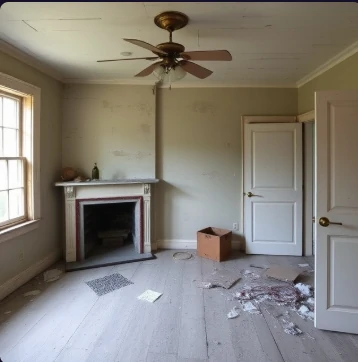
A house sells for well below neighborhood averages because the roof leaks, the kitchen is decades old, and the electrical system needs replacement. That house is a fixer-upper. Buyers purchase it with the intention of renovating and either living in it or reselling at a profit.
The discount reflects the cost, time, and risk of the needed work. Successful fixer-upper projects require accurate repair estimates, reliable contractors, and a realistic timeline. Financing can be more difficult; some lenders offer renovation loans that fund both purchase and repairs.
Not every inexpensive house is a good fixer-upper. Structural problems, outdated floor plans, or poor locations can make the numbers fail. Experienced buyers walk away when the gap between purchase price and after-repair value does not justify the effort. For those who calculate correctly, a fixer-upper can build equity quickly.
The profit is made at the purchase, not at the resale.
Comments
No comments yet. Be the first to share a thought.
Leave a comment