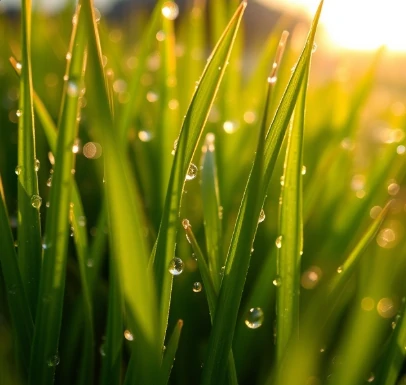
Overnight the ground and objects near it often cool faster than the air. When their temperature falls to the dew point, water vapor condenses directly onto those surfaces as liquid droplets. That is dew.
Clear skies and light winds favor dew formation because they allow maximum radiational cooling. Grass, car roofs, and spider webs collect the droplets, which sparkle in the first light of morning. Once the sun rises and temperatures climb, the dew evaporates back into the air.
Dew supplies a small but useful amount of moisture in arid regions. It can also wet surfaces enough to affect early-morning visibility or make roads slightly slick. The process is purely local and does not involve clouds or precipitation from aloft.
Measuring the dew point helps forecast whether dew will form on any given night.
Comments
No comments yet. Be the first to share a thought.
Leave a comment