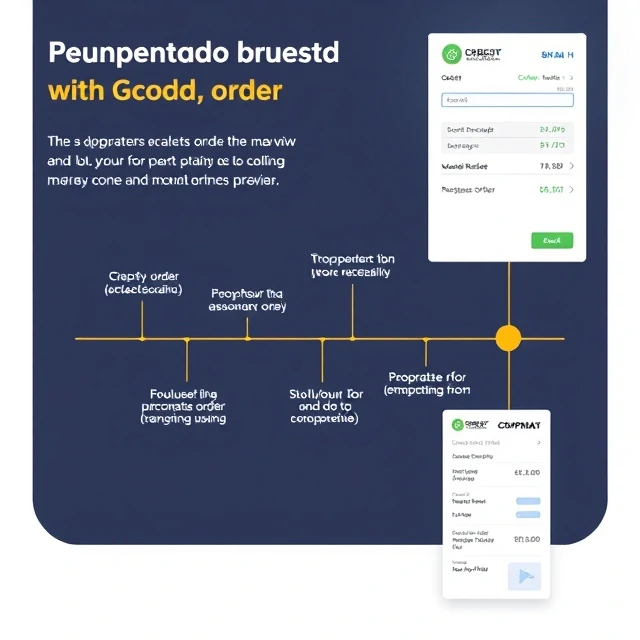
Orders do not appear the instant they are placed. Lead time is the elapsed time between initiating a request—such as a purchase order or production order—and receiving the goods or completing the work.
It includes supplier processing, manufacturing, transit, and receiving. Longer lead times force companies to forecast further ahead and hold more inventory. Shortening lead time improves responsiveness but may raise transportation or production cost.
Planners separate reliable lead time from optimistic quotes and track variability as carefully as averages. When lead times stretch unexpectedly, safety stocks and expediting costs rise. Measuring and reducing lead time remains a fundamental supply-chain improvement lever.
- Time from order placement to receipt or completion
- Includes processing, production, and transit
- Drives forecast horizon and inventory needs
- Variability often matters as much as average length
Comments
No comments yet. Be the first to share a thought.
Leave a comment