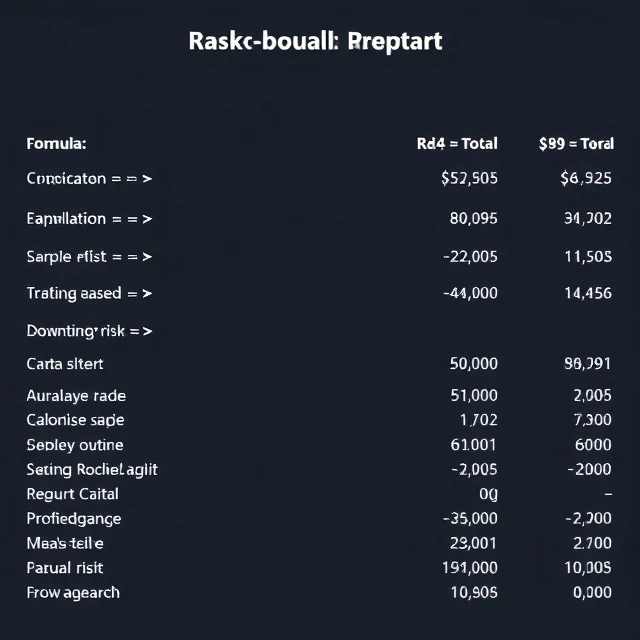
A one-size-fits-all capital rule ignores differences in the risks companies actually write. Risk-based capital is a regulatory framework that sets minimum capital requirements according to the specific risk profile of an insurer’s assets, liabilities, and off-balance-sheet exposures.
Formulas assign capital charges for asset risk, credit risk, underwriting risk, and other categories. The company’s total adjusted capital is then compared with the calculated requirement to produce a ratio. Falling below defined thresholds triggers regulatory action ranging from closer monitoring to seizure.
The approach encourages insurers to hold more capital when they take greater risk and allows leaner capital for safer portfolios. Rating agencies and internal capital models often use similar risk-sensitive logic. Supervisors update the formulas as new risks and product types emerge.
- Capital requirements scaled to an insurer’s risk profile
- Covers asset, credit, and underwriting risks
- Produces ratios that trigger regulatory action
- Promotes alignment of capital with risk taken
Comments
No comments yet. Be the first to share a thought.
Leave a comment