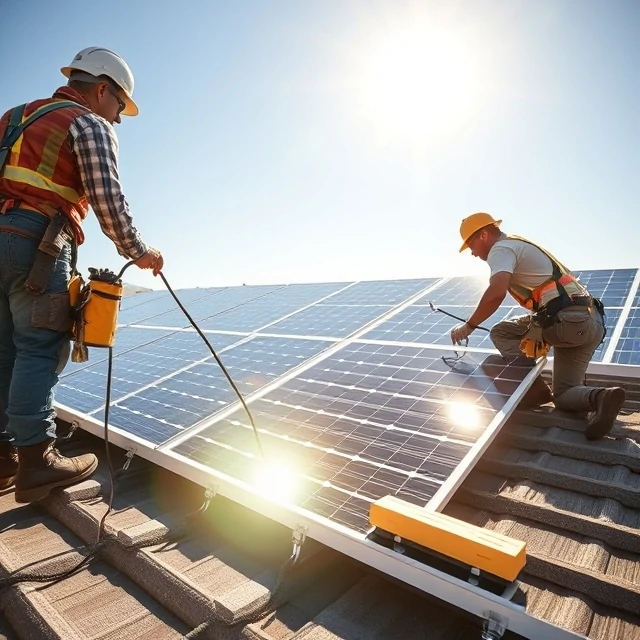
A solar panel is a packaged assembly of photovoltaic cells. The cells are wired together, sealed under glass, and framed in aluminum. A typical residential panel produces 250 to 400 watts in full sun. Several panels make an array. An inverter converts the direct current they produce into the alternating current used by the grid.
Panels are rated by efficiency and durability. Most commercial panels convert 18 to 22 percent of sunlight into electricity. They degrade slowly, losing about 0.5 percent of output per year. Most come with 25-year warranties. After that, they still produce, just at lower output.
Installation matters as much as the panel. Shade, tilt, and orientation affect performance. A south-facing roof in the northern hemisphere is ideal. Dust, snow, and pollen reduce output. Cleaning and maintenance are minimal but not zero. Prices have fallen so far that the labor and permitting now make up a larger share of the total cost than the panels themselves.
Key specs
- Wattage rating
- Efficiency percentage
- Temperature coefficient
- Warranty period
- Degradation rate
Comments (3)
Leave a comment