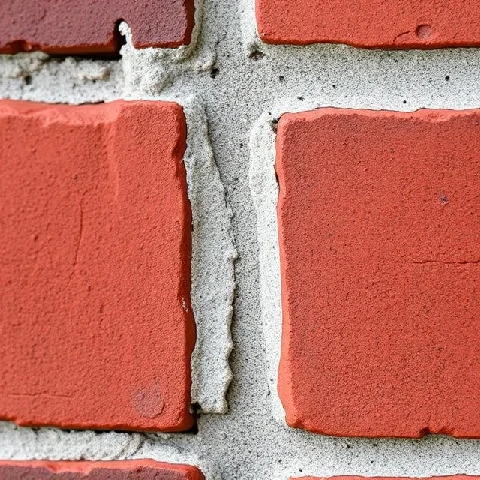
Mortar binds bricks, stones, or blocks together in masonry. It is a paste of cement, sand, and water. It hardens over time, locking the units in place and sealing gaps. Mortar is not just glue. It also accommodates slight movements, distributes loads, and allows the wall to breathe. A mortar that is too hard can crack the bricks. A mortar that is too soft can crumble. The right mix depends on the units and the exposure.
Mortar comes in several types. Type N is a general-purpose mix for above-grade walls. Type S is stronger and used for load-bearing walls and below grade. Type O is weaker and used for historic restoration where flexibility matters. Type M is the strongest and used for retaining walls and foundations. Lime mortar, common before Portland cement, is softer and more permeable, which is why old buildings often need lime-based repairs. The mortar must match the masonry. A hard mortar in a soft brick wall will damage the brick.
Mixing mortar requires care. The sand must be clean and well-graded. The water must be clean. The proportions must be measured. Too much water weakens the mortar. Too little makes it unworkable. The mortar must be used within a few hours of mixing. It cannot be retempered with water after it begins to set. A mason uses a hawk and trowel to spread the mortar. The joint is finished with a jointer to compact the mortar and shape the surface. The mortar joint is the visible line in a masonry wall. It is also the structural connection. It must be right.
Comments
No comments yet. Be the first to share a thought.
Leave a comment