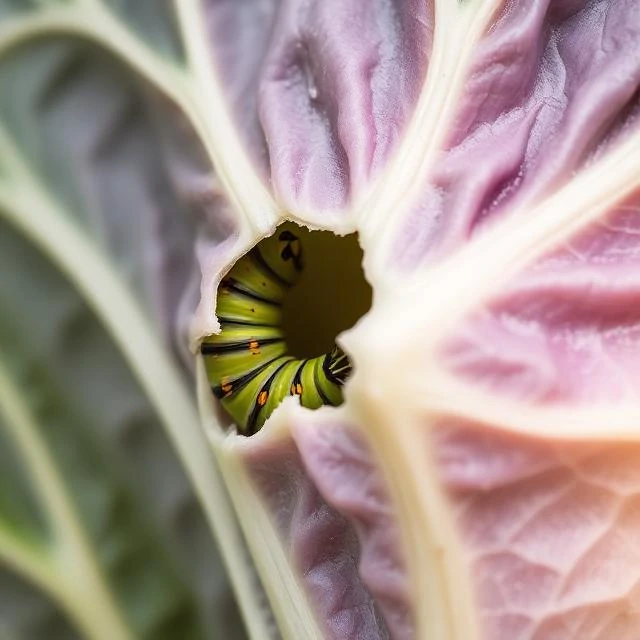
In agriculture, a pest is any organism that damages crops, livestock, or stored produce. The label is practical, not biological. A species can be a pest in one context and harmless or beneficial in another. Aphids are pests in a vegetable garden but food for ladybugs. Rats are pests in a grain store but part of the food web in a field.
Pests include insects, mites, nematodes, fungi, bacteria, viruses, weeds, rodents, birds, and molluscs. Each demands a different approach. A caterpillar can be picked off by hand or sprayed. A soil-borne fungus may require rotation and resistant varieties. A weed might be controlled by mulch, tillage, or a selective herbicide.
Categories of pest damage
- Chewing insects: caterpillars, beetles, grasshoppers
- Sucking insects: aphids, whiteflies, thrips
- Pathogens: fungi, bacteria, viruses
- Vertebrates: rodents, birds, deer
The threshold concept matters. Not every pest sighting justifies action. Below a certain density, the crop can tolerate the damage and natural enemies can keep the problem in check.
Comments
No comments yet. Be the first to share a thought.
Leave a comment