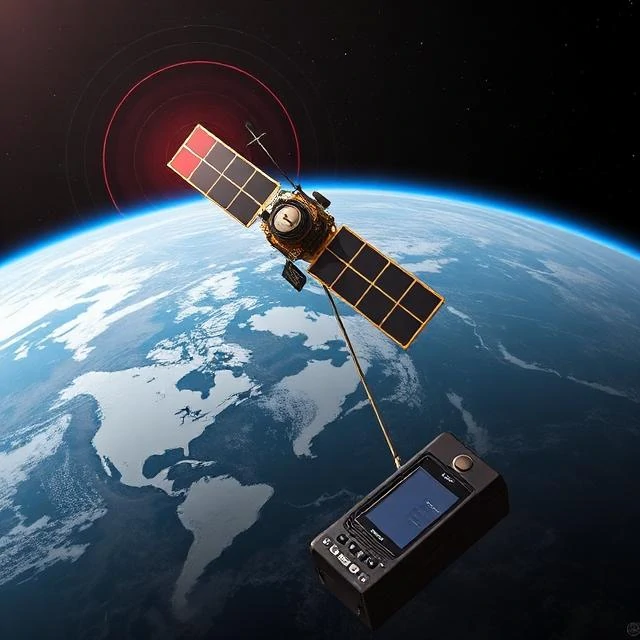
A constellation of satellites broadcasts timing signals. A receiver listens to several of them and calculates its own position by comparing arrival times. That is GPS, and it runs quietly inside phones, cars, aircraft, and ships.
The system needs at least four satellites for a full fix: three for position and one for clock correction. More satellites improve accuracy. Modern receivers handle several constellations at once, including GPS, Galileo, GLONASS, and BeiDou.
Common applications
- Navigation for vehicles and pedestrians
- Precision approach for aircraft
- Surveying and mapping
- Timing synchronization for networks
Accuracy degrades in urban canyons and indoors because signals bounce off buildings or fail to penetrate. Augmentation systems and inertial sensors fill the gaps where GPS alone is not enough.
Comments (3)
Leave a comment