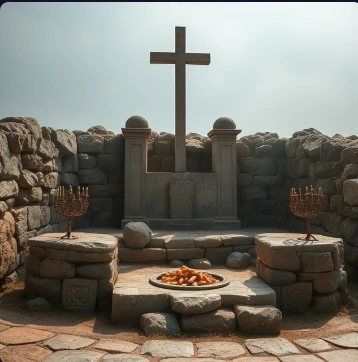
A worshipper presents an animal, food, or symbolic gift to a deity, often destroying or consuming it in a prescribed manner. That act is sacrifice. It is one of the oldest and most widespread forms of religious behavior.
Motivations include propitiation, thanksgiving, communion, and the maintenance of cosmic order. Blood sacrifice carried particular intensity in many ancient cultures. Ethical and prophetic critiques sometimes internalized sacrifice as a metaphor for obedience or self-giving. Christian theology interprets the death of Jesus as a unique and final sacrifice.
Modern religious practice has largely replaced animal sacrifice with offerings of prayer, money, or service, though literal sacrifice continues in some traditions. The underlying logic remains the costly acknowledgment that something valuable is owed to the sacred. Sacrifice dramatizes the asymmetry between human and divine.
- Offering made to a deity, often involving destruction or gift
- Expresses devotion, gratitude, or atonement
- Historically widespread across cultures
- Often reinterpreted in ethical or spiritual terms
Comments (2)
Leave a comment