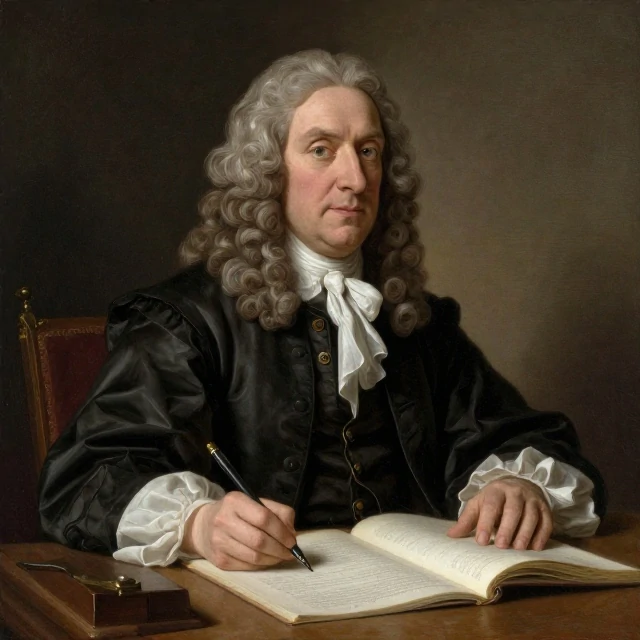
Tabula rasa is the theory that the mind is a blank slate at birth. All knowledge comes from experience. There are no innate ideas. The mind is empty until the senses fill it. The term is Latin for scraped tablet. It was used in ancient Rome for a blank wax tablet. John Locke popularized the idea in the 17th century.
Locke argued against innate ideas. He said the mind is white paper, void of all characters. Experience writes on it. Sensation provides the materials. Reflection organizes them. Knowledge is built from experience. Nothing is innate. The theory is empiricist. It contrasts with rationalism, which holds that some ideas are innate.
Tabula rasa implications
- All knowledge comes from experience.
- There are no innate ideas.
- Nature vs. nurture: nurture dominates.
- Education and environment shape the mind.
- Human potential is unlimited.
Tabula rasa is controversial. Modern science shows that the brain is not blank. It has innate structures. It has biases. It has predispositions. Language acquisition, for example, seems to require innate capacities. Noam Chomsky argued for a universal grammar. That contradicts tabula rasa. But Locke's idea was radical. It challenged the idea that kings are born superior. It challenged the idea that knowledge is fixed. It said that anyone can learn anything. That is democratic. It is also optimistic. The debate between nature and nurture continues. The mind is not a blank slate. But it is not fully preprogrammed either. Experience matters. Innate structures matter. The truth is in between. Tabula rasa is one extreme. It is not the whole truth. But it is a powerful idea.
Comments
No comments yet. Be the first to share a thought.
Leave a comment