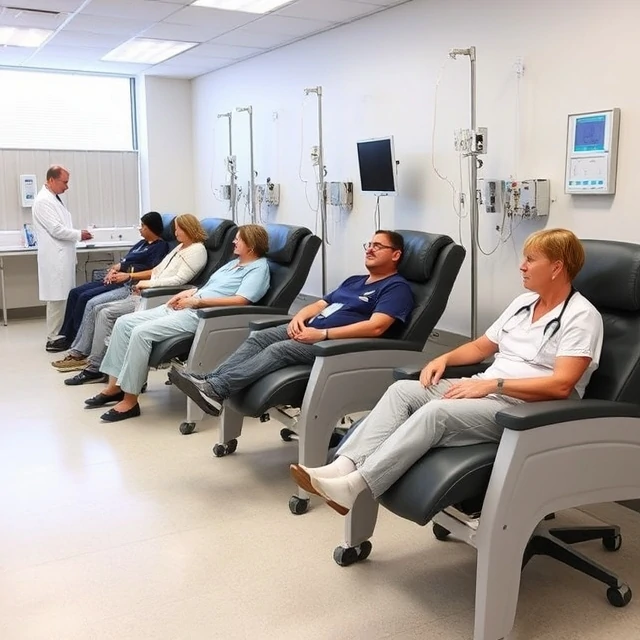
Phase I is the first time a drug is tested in humans. The goal is not to see if it works, but to find out if it is safe and how the body handles it. These trials are small, usually 20 to 80 participants, and often enroll healthy volunteers rather than patients. The exceptions are cancer drugs and other treatments for serious diseases, where patients who have exhausted other options may enroll.
The design focuses on dose. Researchers start with a very low dose and escalate gradually in cohorts, watching for toxicity. The starting dose is often based on animal studies, scaled to human equivalents. The endpoint is usually the maximum tolerated dose or the dose that produces a target effect. Blood samples are drawn frequently to measure drug levels and calculate pharmacokinetic parameters. Participants are monitored closely, sometimes staying in a research unit for days. Adverse events are recorded and graded for severity.
What Phase I answers:
- Safety. What side effects occur and at what doses?
- Tolerability. How much can be given before toxicity?
- Pharmacokinetics. How does the body absorb, distribute, metabolize, and excrete the drug?
- Dosing. What dose should be used in later trials?
Most drugs that enter Phase I do not advance. Safety problems or poor pharmacokinetics stop them early.
Comments
No comments yet. Be the first to share a thought.
Leave a comment