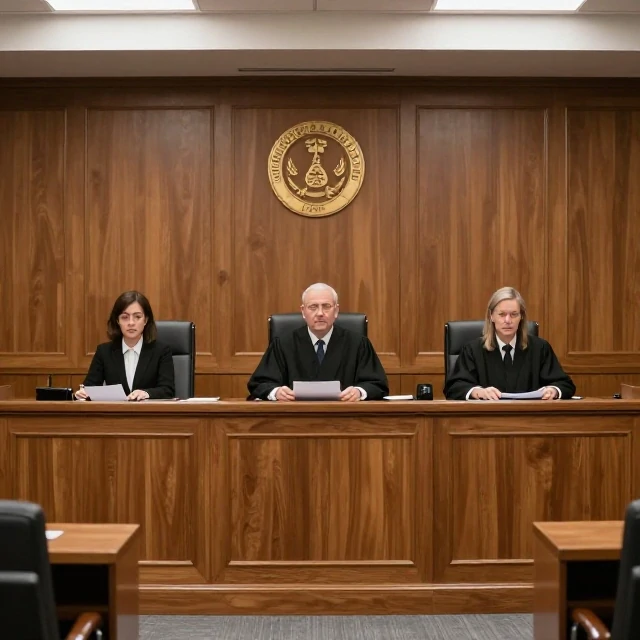
Appellate jurisdiction is the power of a higher court to review what a lower court did. The appellate court does not retry the case. It examines the record for legal errors: misapplied statutes, improper evidence, faulty jury instructions, or constitutional violations.
In the United States, the federal courts of appeals and the Supreme Court have appellate jurisdiction. Most state systems mirror that structure. The losing party in a trial court can appeal, but appeals are not automatic do-overs. The appellate court decides whether the error was significant enough to affect the outcome.
How appellate review works
- The appellant files a notice of appeal and a brief.
- The appellee files a response brief.
- Judges may hear oral arguments from both sides.
- The court affirms, reverses, or remands the case.
- Some appeals are heard en banc, by all judges on the court.
Appellate courts set precedent. A ruling binds lower courts in the same jurisdiction. That is why appellate judges matter so much. They shape the law for everyone, not just the parties in one case. The standard of review varies: questions of law are reviewed de novo, while factual findings are reviewed for clear error. Understanding that distinction is essential for any lawyer handling an appeal.
Comments
No comments yet. Be the first to share a thought.
Leave a comment