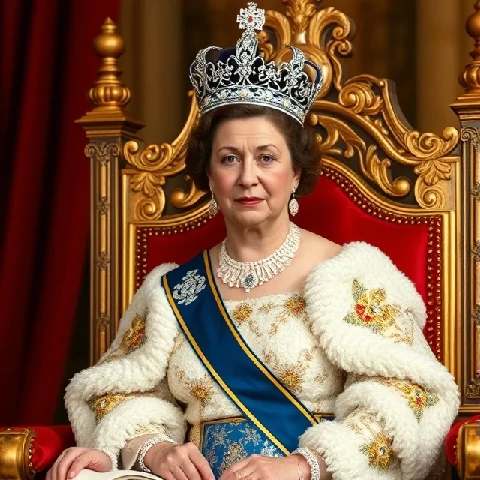
One person inherits or claims the right to rule. Monarchy is a form of government in which a single individual, usually titled king or queen, holds the office of head of state, typically on a hereditary basis and for life.
Absolute monarchies concentrate executive power in the ruler; constitutional monarchies limit that power through law and representative institutions. Legitimacy has rested on divine right, dynastic tradition, popular approval, or a mixture of these. Coronation rituals and court culture reinforced the distinct status of the monarch.
Many historical monarchies have been abolished or transformed into ceremonial roles. Others retain significant political functions. The history of monarchy intersects with the development of law, bureaucracy, and national identity. Debates over succession, competence, and accountability recur across different societies and centuries.
- Government headed by a hereditary ruler
- May be absolute or constitutional
- Legitimized by tradition, religion, or law
- Persists in varied forms worldwide
Comments
No comments yet. Be the first to share a thought.
Leave a comment