Sea level rise is the increase in the average height of the ocean. Two forces drive it. Water expands as it warms, and ice sheets and glaciers add meltwater. Both are caused by global warming. The rate has accelerated in recent decades. Seas rose about 15 centimeters in the 20th century. The pace is now more than double that.
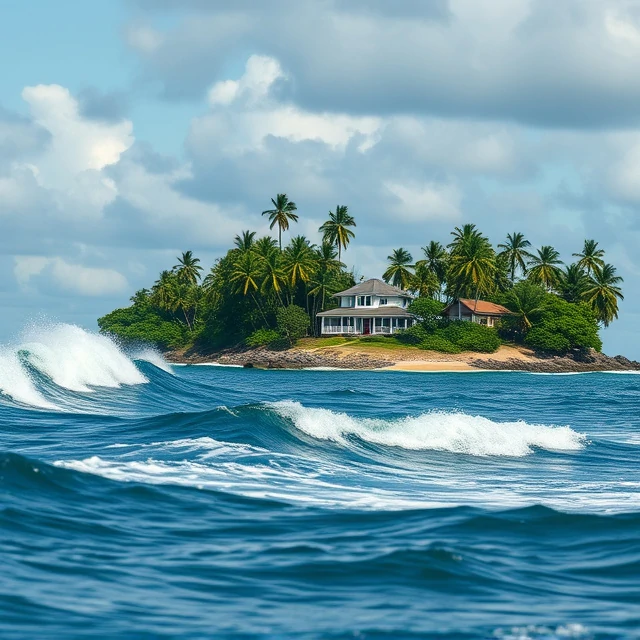
Impacts vary by place. Low-lying islands and river deltas are most vulnerable. Saltwater intrudes into freshwater aquifers. Coastal erosion accelerates. Storm surges reach further inland. Miami, Jakarta, and the Maldives face existential threats. Even wealthy cities must invest in sea walls, drainage, and managed retreat.
The future depends on emissions. If warming is limited to 1.5 degrees Celsius, sea level could rise half a meter by 2100. Higher warming could push it to a meter or more. Ice sheet collapse in Antarctica and Greenland is the biggest uncertainty. Scientists cannot yet predict the timing of abrupt losses. The higher the temperature, the greater the risk.
Main drivers
- Thermal expansion of seawater
- Melting glaciers
- Greenland ice sheet loss
- Antarctic ice sheet loss
- Land subsidence in some regions
Comments
No comments yet. Be the first to share a thought.
Leave a comment