Hydrogen fuel releases energy when it combines with oxygen. In a fuel cell, that reaction produces electricity and water. In a combustion engine, it burns like natural gas but without carbon emissions. Hydrogen is the lightest element and the most abundant in the universe, though on Earth it is almost always bound to other atoms.
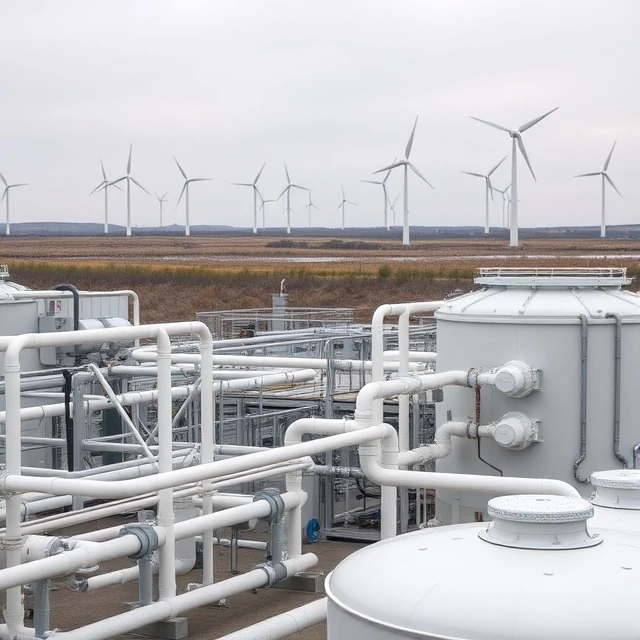
Producing hydrogen takes energy. Steam methane reforming, the cheapest method, uses natural gas and releases CO2. Electrolysis splits water with electricity. If that electricity is renewable, the hydrogen is called green. Blue hydrogen comes from fossil gas with carbon capture. Gray hydrogen comes from fossil gas without it.
Hydrogen is hard to store and transport. It is a small molecule that leaks easily. It must be compressed or liquefied, both of which use energy. Pipelines need special materials. These challenges make hydrogen expensive compared with fossil fuels. It makes most sense in hard-to-electrify sectors like steel, shipping, and aviation.
Production methods
- Green: electrolysis with renewables
- Blue: fossil gas with carbon capture
- Gray: fossil gas without capture
- Pink: nuclear-powered electrolysis
- Turquoise: methane pyrolysis
Comments
No comments yet. Be the first to share a thought.
Leave a comment