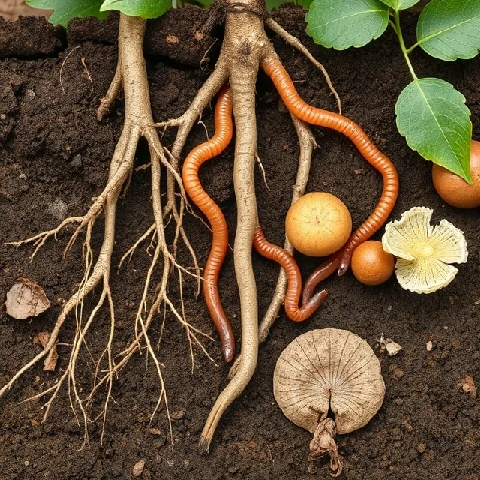
A pond, a forest, a coral reef, a patch of soil: each is an ecosystem. The term describes a community of organisms interacting with each other and with their physical environment. It includes the living parts, like plants, animals, and microbes, and the nonliving parts, like water, sunlight, minerals, and temperature. The boundaries are set by the observer. An entire rainforest is an ecosystem. So is a drop of pond water under a microscope.
Ecosystems function through flows of energy and cycles of matter. Energy enters as sunlight and moves through food chains. Nutrients cycle within the system, moving from soil to plants to animals and back again through decomposition. A healthy ecosystem is resilient. It can absorb disturbances like drought or fire and return to a similar state. But resilience has limits. When a keystone species disappears or a nutrient cycle breaks, the whole system can shift into a different state. A clear lake can turn green with algae. A grassland can become shrubland.
Key components
- Producers: plants and algae that make food.
- Consumers: animals that eat other organisms.
- Decomposers: fungi and bacteria that recycle nutrients.
- Abiotic factors: water, sunlight, soil, and climate.
Ecosystems are not static. They change with seasons, succession, and human use. The question is whether they change within limits we can live with.
Comments (2)
Leave a comment