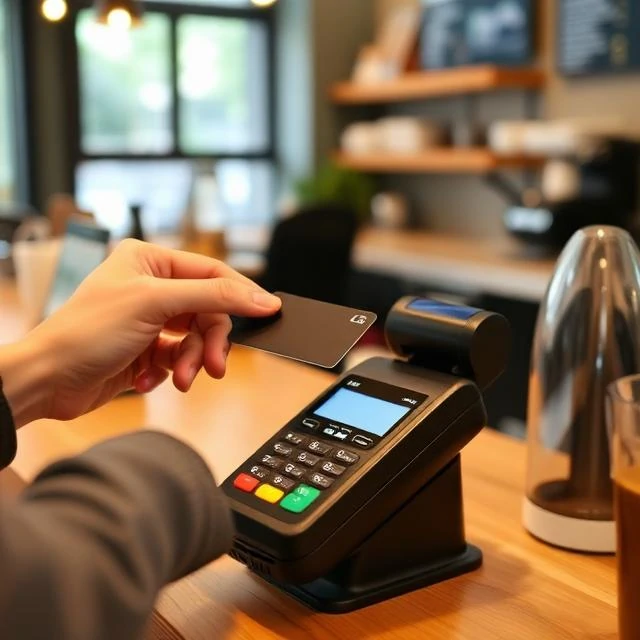
Contactless payment lets you pay by tapping a card or phone near a reader. It uses near-field communication, or NFC, a short-range wireless technology. The card or device and the reader exchange encrypted data when they are within a few centimeters. The transaction takes a second or two. No swipe, no insert, no signature for small amounts.
The technology has been around for decades, but it took off with the launch of Apple Pay in 2014. Google Pay, Samsung Pay, and contactless cards followed. The COVID-19 pandemic accelerated adoption, as people avoided touching surfaces. In 2023, contactless payments accounted for over half of all card transactions in the United States, according to Visa.
Contactless payments are secure. Each transaction generates a unique code, so a stolen card number cannot be reused. The card never leaves the customer's hand, which reduces skimming risk. For transactions over a certain amount, usually $100 to $200, the terminal may require a PIN or signature. That limits the damage if a card is lost.
Contactless is now standard on public transit, vending machines, and point-of-sale terminals. It is faster than cash and more convenient than chip-and-PIN. The main limitation is the reader. Not every merchant has one. But the direction is clear: tap is replacing insert and swipe.
Comments
No comments yet. Be the first to share a thought.
Leave a comment