Decayed organic matter used as a nutrient-rich soil amendment.
🍂
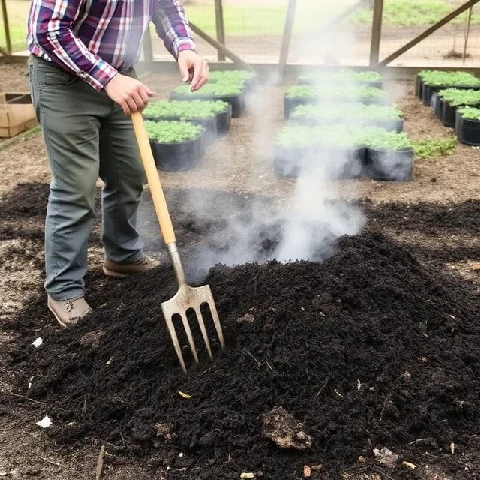
Compost is decomposed organic matter used as a soil amendment and natural fertiliser. It is produced by the aerobic breakdown of plant residues, food scraps, manure, and other organic materials by microorganisms, fungi, worms, and insects. The process, called composting, requires a balance of carbon-rich 'browns' and nitrogen-rich 'greens,' adequate moisture, oxygen, and time. Composting dates back thousands of years; Roman writers such as Cato and Columella described manure and straw composting, and traditional farmers worldwide have long returned organic matter to the soil. Modern composting methods include static piles, turned windrows, aerated static piles, in-vessel systems, and vermicomposting. Mature compost improves soil structure, water retention, nutrient availability, and microbial activity, and suppresses some plant diseases. It is a cornerstone of organic farming and an important tool for diverting organic waste from landfills, where it would otherwise produce methane. Industrial composting facilities serve municipalities and farms, producing compost for agriculture, landscaping, and horticulture.
Comments
No comments yet. Be the first to share a thought.
Leave a comment