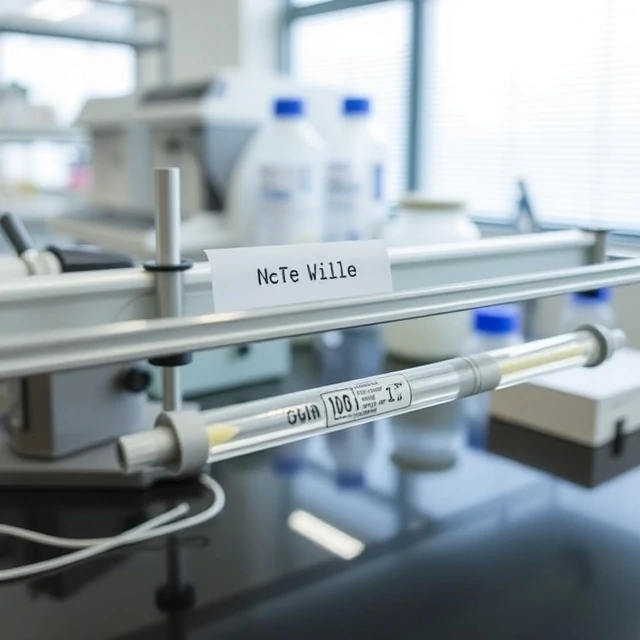
Making many identical copies of a specific DNA segment is routine in molecular biology. Gene cloning inserts a gene of interest into a vector, usually a plasmid, and introduces the construct into a host cell that replicates the DNA. The result is a pure, amplified preparation of the gene.
Restriction enzymes and DNA ligase create recombinant molecules. Transformed bacteria are selected with antibiotic markers. Once cloned, the gene can be sequenced, expressed as protein, or used in further experiments. Complementary DNA cloning starts from messenger RNA and captures expressed sequences.
Cloning underpins recombinant protein production, transgenic organisms, and many diagnostic tests. Modern methods often use PCR amplification or synthetic DNA, yet classical cloning remains a core laboratory skill. Careful verification ensures the cloned sequence matches the original.
- Production of multiple identical gene copies
- Uses vectors and host cells
- Enables further study or expression
- Foundation of recombinant DNA technology
Comments
No comments yet. Be the first to share a thought.
Leave a comment