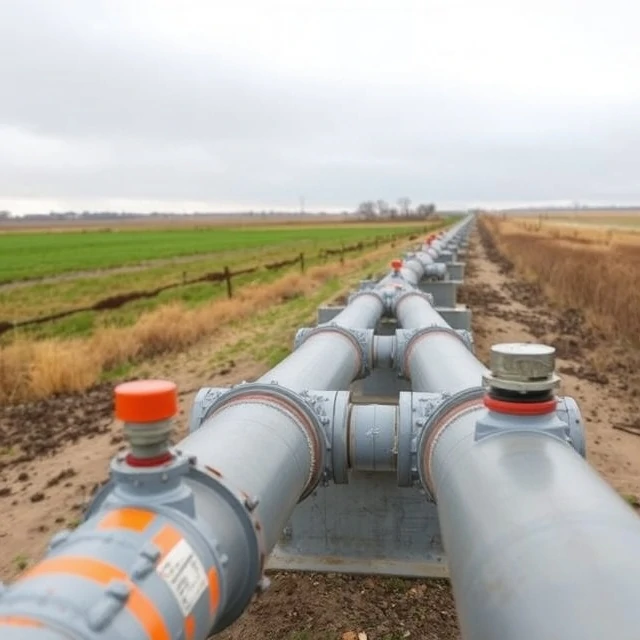
Natural gas is a fossil fuel made mostly of methane. It formed from ancient organic matter buried deep underground. It is colorless, odorless, and lighter than air. Utilities add a chemical called mercaptan so leaks can be smelled.
Gas burns cleaner than coal or oil. It releases about half the CO2 of coal per unit of energy and far less sulfur and particulate matter. That is why many power plants switched from coal to gas. It also heats homes, cooks food, and feeds industrial processes. Liquefied natural gas, or LNG, can be shipped across oceans.
But gas is still a fossil fuel. Methane is a potent greenhouse gas, over 80 times more warming than CO2 over 20 years. Leaks during drilling, processing, and transport undermine its climate benefits. Some see gas as a bridge to a renewable future. Others argue it delays the transition. The debate is far from settled.
Common uses
- Electricity generation
- Home heating and cooking
- Industrial processes
- Fertilizer production
- Vehicle fuel
Comments
No comments yet. Be the first to share a thought.
Leave a comment