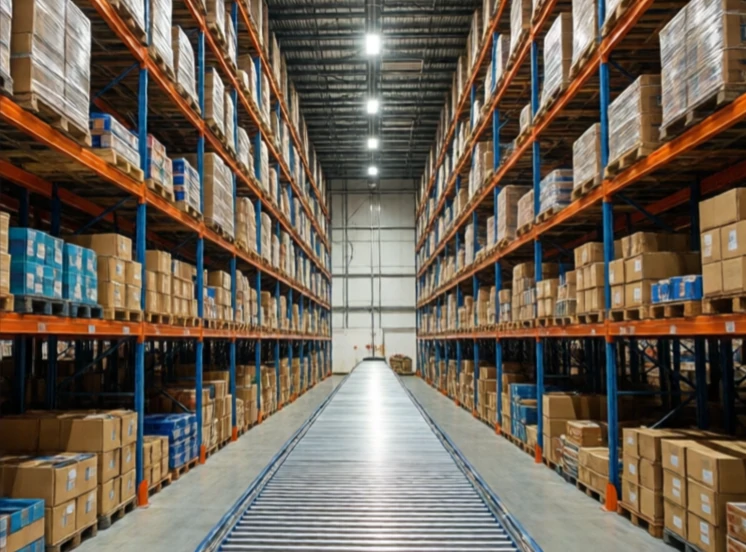
Trucks arrive at a large building filled with racks and conveyor systems; goods are unloaded, sorted, and reloaded for delivery to individual stores. That building is a distribution center. It sits between suppliers and retail outlets in the supply chain.
Distribution centers consolidate shipments, reduce transport costs, and enable faster replenishment. Modern facilities use barcode scanning, automated sorting, and warehouse-management software to track every carton. Location decisions balance proximity to stores against land and labor costs.
Efficiency at the distribution center directly affects store in-stock levels and freshness of perishable goods. Delays or errors cascade downstream as empty shelves or excess inventory. Retailers invest heavily in these facilities because they determine how quickly customer demand can be met.
The distribution center is the quiet engine that keeps store shelves full.
Comments
No comments yet. Be the first to share a thought.
Leave a comment