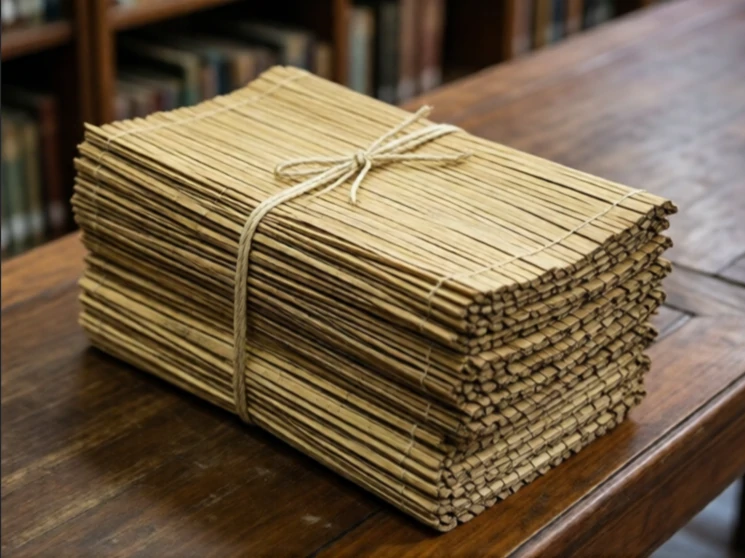
The Tripitaka is the traditional Buddhist canon. The name means “three baskets,” referring to the three collections into which the teachings were organized: the Vinaya Pitaka of monastic discipline, the Sutta Pitaka of discourses, and the Abhidhamma Pitaka of systematic philosophical analysis.
Different Buddhist schools preserved different versions. The Pali Canon of the Theravada tradition is the most complete early collection still extant. Mahayana traditions added large numbers of sutras that they regarded as the higher teaching of the Buddha, while continuing to revere the earlier material. The Chinese and Tibetan canons are vast compilations that include translations from multiple Indian languages as well as original works.
Recitation and memorization were the original means of preservation; writing came later. The First Council after the Buddha’s death is said to have established the core of the oral tradition. Over centuries the texts were commented upon, debated, and used as the basis for practice. For monastics the Vinaya remains the rule of life; for all Buddhists the suttas provide the path of ethical conduct, meditation, and wisdom.
To study the Tripitaka is to encounter the earliest surviving record of what the Buddha taught and how the community ordered its life around those teachings.
Comments
No comments yet. Be the first to share a thought.
Leave a comment