Getting a drug into the body is one problem. Getting it to the right place, at the right time, at the right concentration is another. Drug delivery is the engineering side of pharmacology: designing systems that control where a drug goes and how fast it is released. It is the difference between a pill that must be taken four times a day and a patch that works for a week.
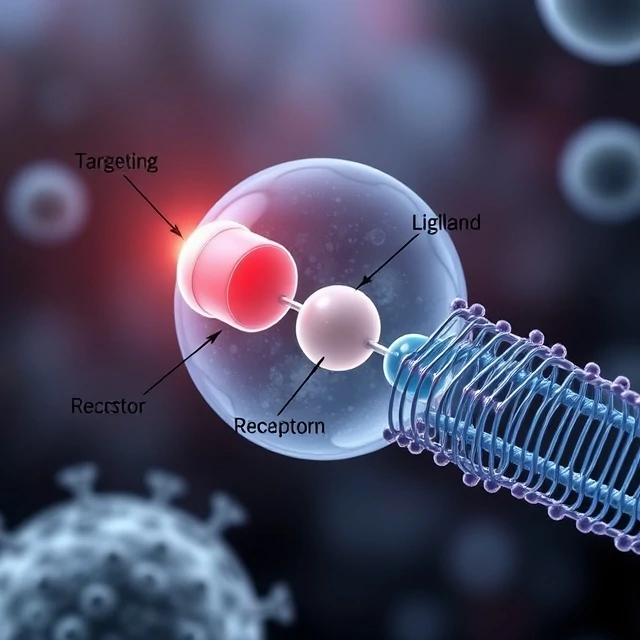
Delivery technologies range from the simple to the sophisticated. Coatings on tablets control release in the gut. Liposomes and nanoparticles encapsulate drugs and protect them from degradation, sometimes targeting specific tissues. Implantable pumps deliver steady doses for months. Inhalers send drug directly to the lungs, minimizing systemic exposure. Transdermal patches diffuse drug through the skin at a controlled rate. Each approach solves a specific problem: poor solubility, rapid clearance, side effects from high peak concentrations, or patient adherence.
Common delivery systems:
- Oral controlled release. Tablets and capsules that release drug over hours.
- Injectable depots. Long-acting formulations that release drug over weeks or months.
- Transdermal. Patches for steady, slow absorption.
- Inhalation. Direct delivery to the lungs.
- Nanoparticles. Targeted delivery to specific cells or tissues.
The goal is always the same: maximize benefit, minimize side effects, and make the treatment easier to live with.
Comments
No comments yet. Be the first to share a thought.
Leave a comment