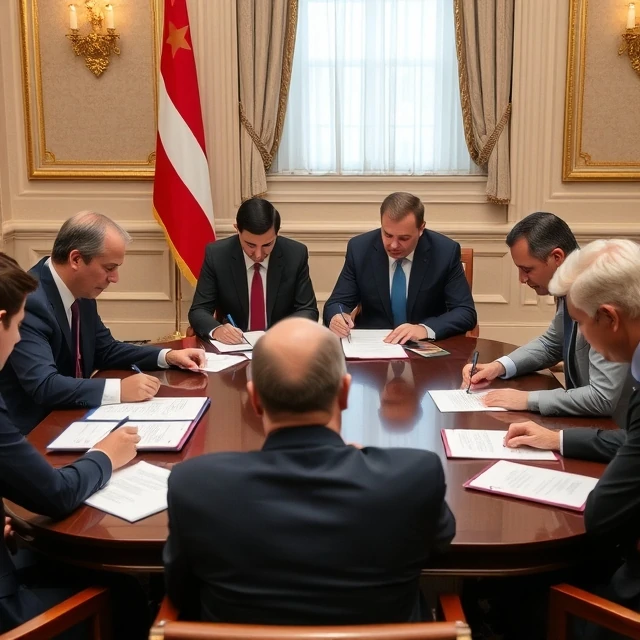
States interact through rules they largely create for themselves. International law is the body of treaties, customary practices, and general principles that govern relations among nations and, increasingly, the rights and duties of individuals and organizations across borders.
Sources include formal agreements, consistent state practice accepted as law, and decisions of international courts and tribunals. Subjects range from trade and diplomacy to human rights, the conduct of war, and the law of the sea. Enforcement often depends on reciprocity, reputation, and domestic implementation rather than a global police force.
Domestic courts sometimes apply international norms directly and sometimes only after legislative incorporation. The field continues to expand as transnational problems demand coordinated legal responses. Practitioners work in foreign ministries, international organizations, and specialized law firms.
- Rules governing relations between states and cross-border actors
- Drawn from treaties, custom, and general principles
- Enforcement relies heavily on consent and reciprocity
- Addresses trade, rights, conflict, and shared resources
Comments
No comments yet. Be the first to share a thought.
Leave a comment