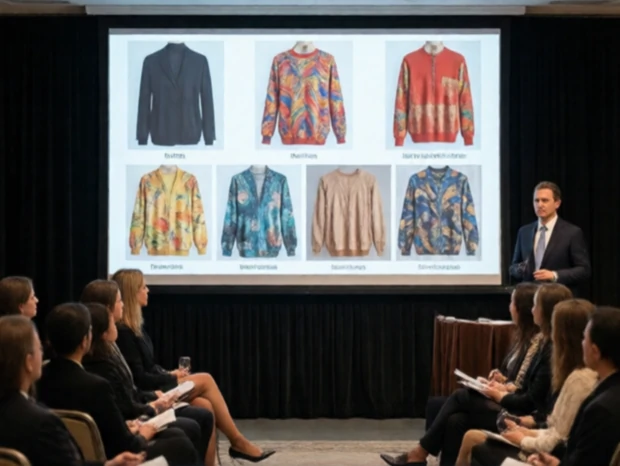
Trend forecasting is the practice of predicting future fashion trends. It uses research, data, and observation to anticipate what consumers will want to wear. Forecasters study runway shows, street style, social media, economic indicators, and cultural shifts. They produce reports that guide designers, buyers, and marketers. The goal is to reduce risk. Producing the wrong colors or silhouettes can leave a brand with unsold inventory.
Forecasting agencies like WGSN and Fashion Snoops sell subscriptions to their reports. They publish color palettes, fabric directions, and silhouette predictions up to two years ahead. Brands use these reports to plan collections. Buyers use them to decide what to stock. Some large brands have in-house forecasting teams. Smaller ones rely on agencies or trade publications.
Forecasting is not an exact science. Trends can shift unexpectedly. A global crisis, a viral moment, or a celebrity endorsement can change direction overnight. Forecasters adjust constantly. They also influence the trends they predict. When many brands follow the same forecast, the predicted trend becomes real. That feedback loop is part of how fashion works. The best forecasters balance data with intuition and accept that some predictions will be wrong.
Key inputs
- Runway analysis
- Street style observation
- Social media monitoring
- Economic and cultural research
- Historical pattern analysis
Comments
No comments yet. Be the first to share a thought.
Leave a comment