The first ATM opened at a Barclays branch in London in 1967. It dispensed a maximum of £10 per withdrawal. Today, there are over 3 million ATMs worldwide, and they do much more than dispense cash. You can check balances, transfer funds, deposit checks, pay bills, and buy stamps. Some dispense foreign currency. A few even dispense gold.
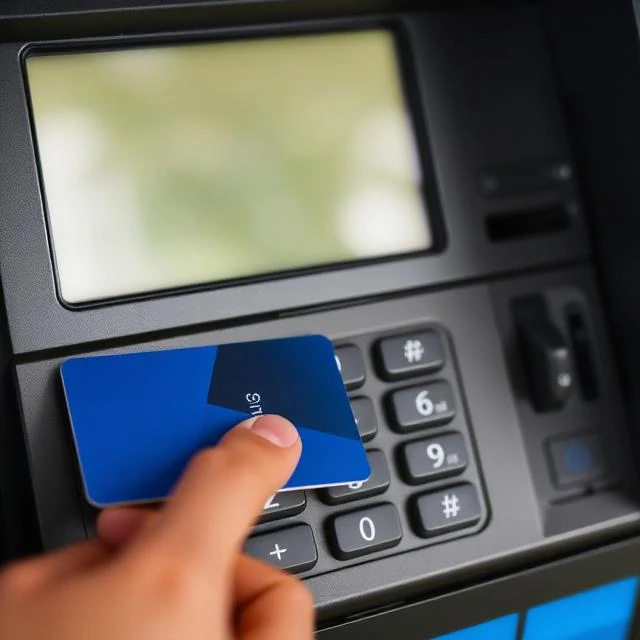
The machine has several parts. A card reader authenticates the customer. A keypad accepts the PIN. A screen displays options. A cash dispenser counts and delivers bills. A deposit slot accepts envelopes or, in newer machines, loose checks and cash. A receipt printer documents the transaction. Behind the scenes, the ATM communicates with the bank's computer to verify the account and update the balance.
ATMs are vulnerable to fraud. Skimming devices attached to card readers can steal card data. Hidden cameras can capture PINs. Shoulder surfing works too. Banks counter with tamper-resistant hardware, encryption, and chip readers. Customers should cover the keypad, inspect the card slot, and report anything suspicious.
ATM fees are a source of irritation. Using an out-of-network ATM often triggers two fees: one from the ATM owner and one from your bank. Some banks reimburse those fees. Others charge $3 or more. The average out-of-network fee is around $4.77, according to Bankrate.
Comments
No comments yet. Be the first to share a thought.
Leave a comment