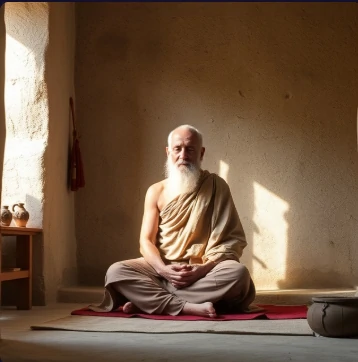
Asceticism is severe self-discipline and abstention for spiritual purposes. It is the practice of denying oneself for the sake of a higher goal. It is found in many religions. Monks fast. Hermits withdraw. Yogis endure. Ascetics renounce pleasure. They renounce comfort. They renounce the world. They seek purity. They seek enlightenment. They seek union with God.
Asceticism has a long history. The Desert Fathers fled to the wilderness in the third century. They fasted, prayed, and fought temptation. Antony of Egypt is the most famous. He lived in a tomb, then a fortress, then a mountain. He ate bread and salt. He slept on the ground. He prayed constantly. His life inspired thousands. Monasticism grew from his example. Benedict wrote a rule of moderation. Francis embraced poverty. The ascetic tradition continues.
Ascetic practices
- Fasting: abstaining from food.
- Celibacy: abstaining from sex.
- Poverty: renouncing possessions.
- Silence: abstaining from speech.
- Vigil: staying awake for prayer.
Asceticism is not for everyone. It can be dangerous. It can lead to pride. It can lead to despair. It can damage the body. It can damage the mind. The church has always warned against extremes. The goal is not to punish the body. The goal is to free the spirit. The goal is to master the passions. The goal is to love God more. Asceticism is a tool. It is not an end. It is a means. It is a way of saying: God is more important than comfort. God is more important than pleasure. God is more important than life itself. That is the ascetic witness. It is a radical witness. It is a necessary witness. In a world of excess, the ascetic says: enough. In a world of noise, the ascetic says: silence. In a world of self, the ascetic says: God. That is the message. That is the challenge. That is asceticism.
Comments
No comments yet. Be the first to share a thought.
Leave a comment