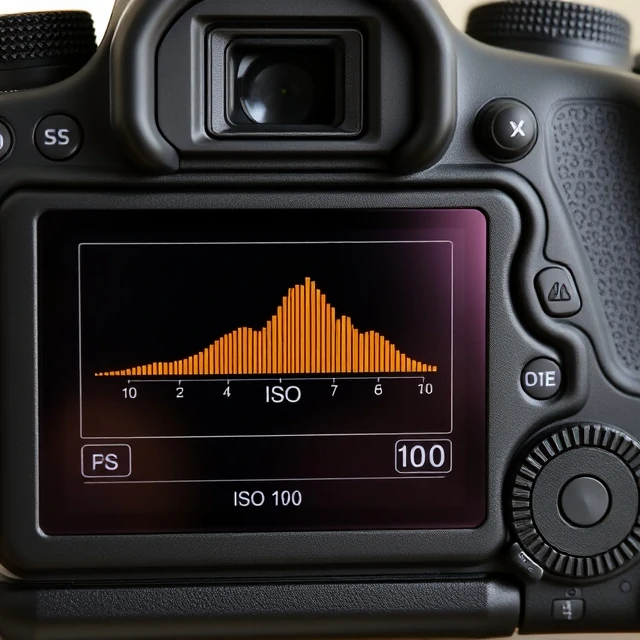
ISO is a measure of the camera sensor's sensitivity to light. It is a holdover from film, where ISO referred to the film's sensitivity. In digital cameras, ISO is an amplification of the sensor's signal. A low ISO, like 100 or 200, produces the cleanest image with the least noise. A high ISO, like 3200 or 6400, allows shooting in low light but introduces noise, which appears as grain or speckles. The relationship is a trade-off. Higher ISO means more noise. Lower ISO means less noise but requires more light.
ISO is one of the three variables in the exposure triangle, along with aperture and shutter speed. Raising ISO allows a faster shutter speed or a narrower aperture, which is useful in low light or when you need more depth of field. But raising ISO also reduces dynamic range and color accuracy. Modern sensors have improved high-ISO performance dramatically. A camera that was noisy at ISO 1600 ten years ago may be clean at ISO 6400 today. Still, there is no substitute for light. A low-ISO image is almost always better than a high-ISO image, if the light allows.
ISO settings
- Low. 100 to 400, cleanest image.
- Medium. 800 to 1600, moderate noise.
- High. 3200 to 6400, noticeable noise.
- Very high. 12800 and up, significant noise and loss of detail.
ISO is not the same as exposure. Changing ISO changes the brightness of the image, but it does not change the amount of light reaching the sensor.
Comments
No comments yet. Be the first to share a thought.
Leave a comment