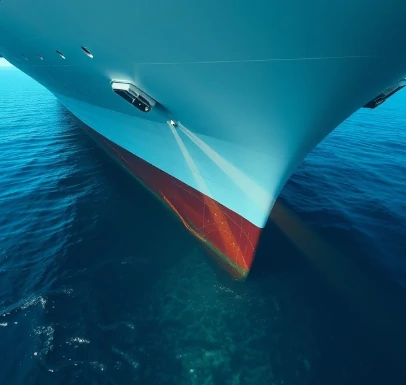
An echosounder sends a pulse of sound into the water and listens for the echo that returns from the seafloor or from objects in the water column. The travel time, multiplied by the speed of sound, yields distance. Simple single-beam units measure depth beneath a ship; multibeam systems map a wide swath of seafloor in a single pass.
Fisheries echosounders detect the reflections from fish schools and plankton layers, allowing biomass estimates and the study of animal behavior. Scientific echosounders operate at multiple frequencies to distinguish different types of targets. Calibration and knowledge of the sound-speed profile are essential for accurate results.
Echosounding revolutionized bathymetry and remains the primary tool for seafloor mapping. It is also used for detecting gas seeps, measuring wave height, and monitoring sediment in suspension. Despite the rise of satellite methods, shipboard echosounders still provide the high-resolution data needed for most detailed studies.
- Uses sound pulses to measure underwater distances
- Primary tool for bathymetry and fish detection
- Single-beam and multibeam versions
- Requires accurate sound-speed information
Comments
No comments yet. Be the first to share a thought.
Leave a comment