Earth’s climate has always varied. Ice ages have come and gone; warm periods have intervened. The term climate change now usually refers to the rapid shifts observed since the mid-20th century, driven largely by rising greenhouse-gas concentrations.
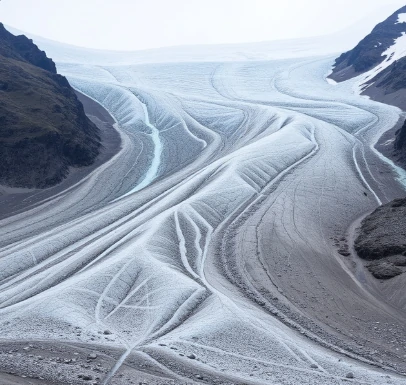
Global average surface temperature has increased roughly 1.1 degrees Celsius above pre-industrial levels. Ice sheets and glaciers are losing mass. Sea level is rising. Extreme heat events have become more frequent in many regions. Precipitation patterns are shifting, with some areas wetter and others drier.
These changes are tracked by surface stations, satellites, ocean buoys, and ice cores. Attribution studies link most of the recent warming to human emissions of carbon dioxide, methane, and other gases. Natural factors such as volcanic eruptions and solar variability play smaller roles on these timescales.
Adaptation and mitigation strategies continue to evolve as observations accumulate.
Comments
No comments yet. Be the first to share a thought.
Leave a comment