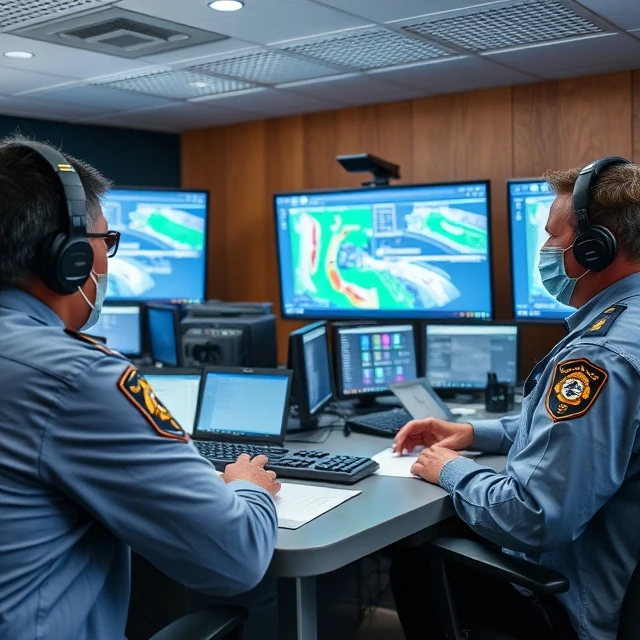
Some events threaten the organization’s survival or reputation overnight. Crisis management is the process of preparing for, responding to, and recovering from sudden, high-impact incidents that disrupt normal operations.
Preparation includes risk assessment, response plans, communication protocols, and designated crisis teams. During an event the priorities are protecting people, containing damage, communicating accurately, and preserving evidence for later learning. Speed and consistency of message matter as much as technical response.
Organizations that rehearse scenarios recover faster than those improvising under pressure. After-action reviews convert painful experience into stronger preparedness. Crisis management is not only for natural disasters; product failures, cyber breaches, and leadership scandals demand the same discipline.
- Preparation and response to high-impact disruptions
- Prioritizes safety, containment, and clear communication
- Relies on plans, teams, and rehearsals
- Includes post-crisis learning and improvement
Comments
No comments yet. Be the first to share a thought.
Leave a comment