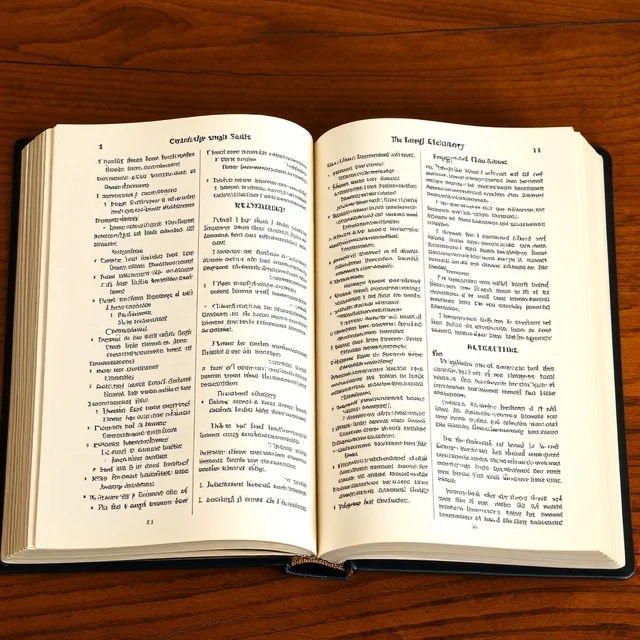
Every speaker carries a mental stock of words. The lexicon is the complete inventory of words and fixed expressions in a language, or the subset known to an individual speaker.
Linguists model the lexicon as more than a list: entries include phonological form, grammatical properties, meaning, and collocation patterns. New words enter through coining, borrowing, and derivation; obsolete words fall out of active use. Specialized domains maintain technical sublexicons.
Dictionary makers attempt to describe the shared lexicon of a community at a given time. Psycholinguists study how lexical items are stored and retrieved during speaking and listening. The size and structure of the lexicon shape what a language can express economically.
- Inventory of words and fixed expressions
- Described for languages and for individual speakers
- Includes form, meaning, and grammatical information
- Changes through innovation, borrowing, and loss
Comments
No comments yet. Be the first to share a thought.
Leave a comment