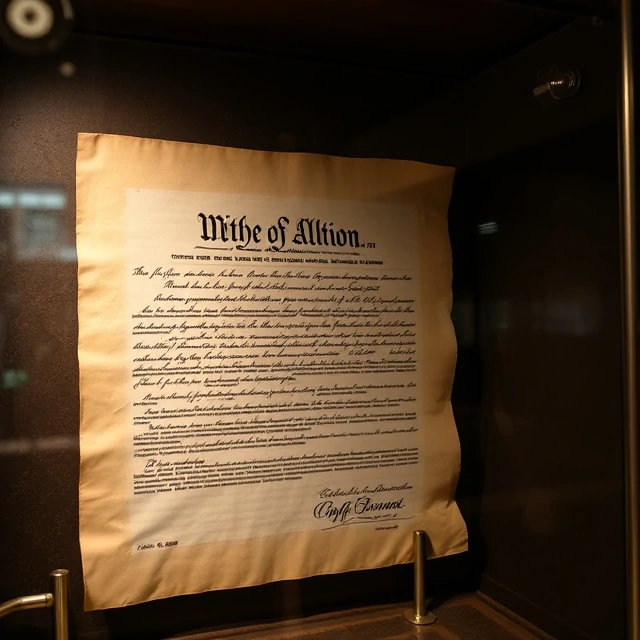
Ordinary laws rest on a deeper foundation. A constitution is the fundamental set of rules that establishes the structure of government, distributes power among institutions, and often enumerates rights reserved to the people.
Written constitutions are typically harder to amend than ordinary statutes. Courts in many systems exercise judicial review to invalidate laws that conflict with constitutional provisions. Unwritten constitutional traditions, built from statutes, conventions, and judicial decisions, also exist in some countries.
Constitutional text and interpretation shape every branch of public law. Debates over original meaning, living interpretation, and the scope of rights continually test institutional boundaries. The constitution functions both as a legal document and as a political charter for the community it governs.
- Fundamental law structuring government and rights
- Superior to ordinary legislation
- Often enforced through judicial review
- May be written or partly conventional
Comments
No comments yet. Be the first to share a thought.
Leave a comment