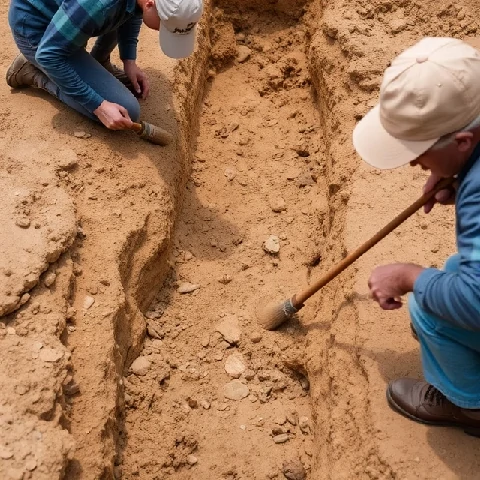
People leave behind more than written words. Archaeology recovers and interprets the material traces of past human activity—tools, buildings, refuse, and landscapes. It supplies evidence for periods and places that lack texts and enriches the record even where documents exist.
Fieldwork involves survey, excavation, and careful recording of context. Laboratory analysis dates objects, identifies materials, and reconstructs diet, technology, and trade. Theoretical approaches range from cultural-historical description to studies of social power and daily practice.
Archaeology has rewritten understandings of early agriculture, urbanism, and long-distance exchange. It also raises ethical questions about ownership of finds, treatment of human remains, and collaboration with descendant communities. The discipline continues to expand with new scientific techniques and broader geographic coverage.
- Study of past societies through material remains
- Combines excavation, analysis, and interpretation
- Covers both prehistoric and historic periods
- Addresses ethical issues of heritage
Comments
No comments yet. Be the first to share a thought.
Leave a comment