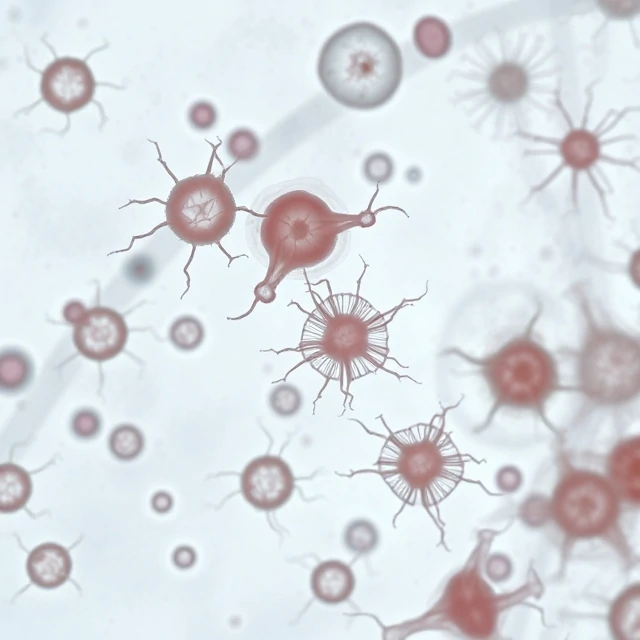
A stem cell is an undifferentiated cell that can divide and become specialized cell types. It is the raw material of the body. Embryonic stem cells can become any cell type. Adult stem cells are more limited, usually producing the cell types of the tissue they reside in. Induced pluripotent stem cells are adult cells reprogrammed to behave like embryonic stem cells. Each type has different properties and uses.
Stem cells are defined by two abilities. Self-renewal means they can divide to produce more stem cells. Potency means they can differentiate into other cell types. Embryonic stem cells are pluripotent, capable of becoming any cell in the body. Adult stem cells are multipotent, producing a limited range of cell types. Hematopoietic stem cells in bone marrow produce all blood cells. Mesenchymal stem cells produce bone, cartilage, and fat.
Stem cells are used in medicine. Bone marrow transplants cure leukemias and lymphomas. Stem cell therapies are being developed for diabetes, Parkinson's disease, spinal cord injury, and heart failure. They are also used in research to study development and disease, and in drug testing to screen for toxicity.
The field is not without controversy. Embryonic stem cell research raises ethical questions about the destruction of embryos. Induced pluripotent stem cells avoid that issue but may carry other risks. The science is advancing, and the ethical debate continues.
Comments (2)
Leave a comment